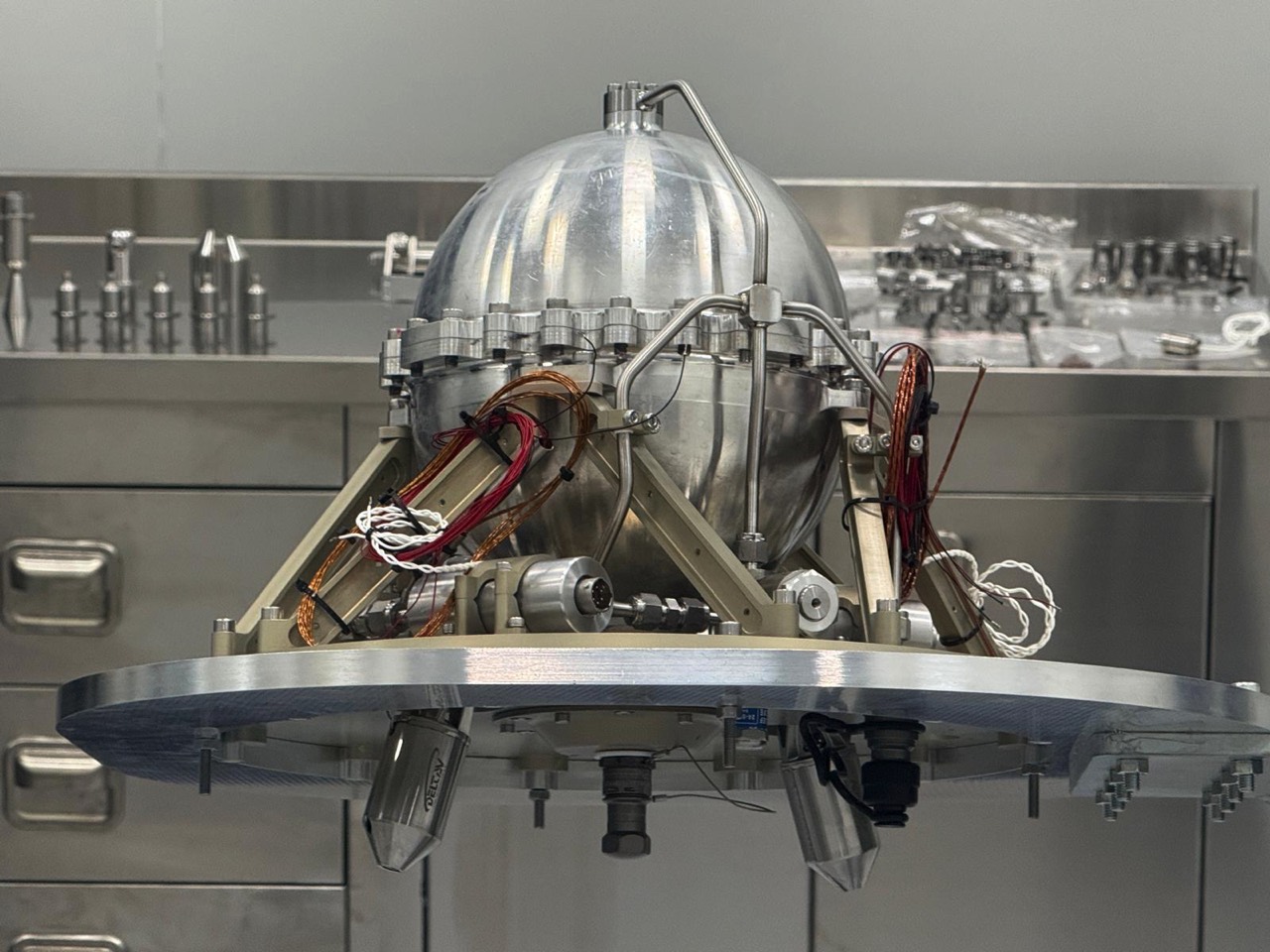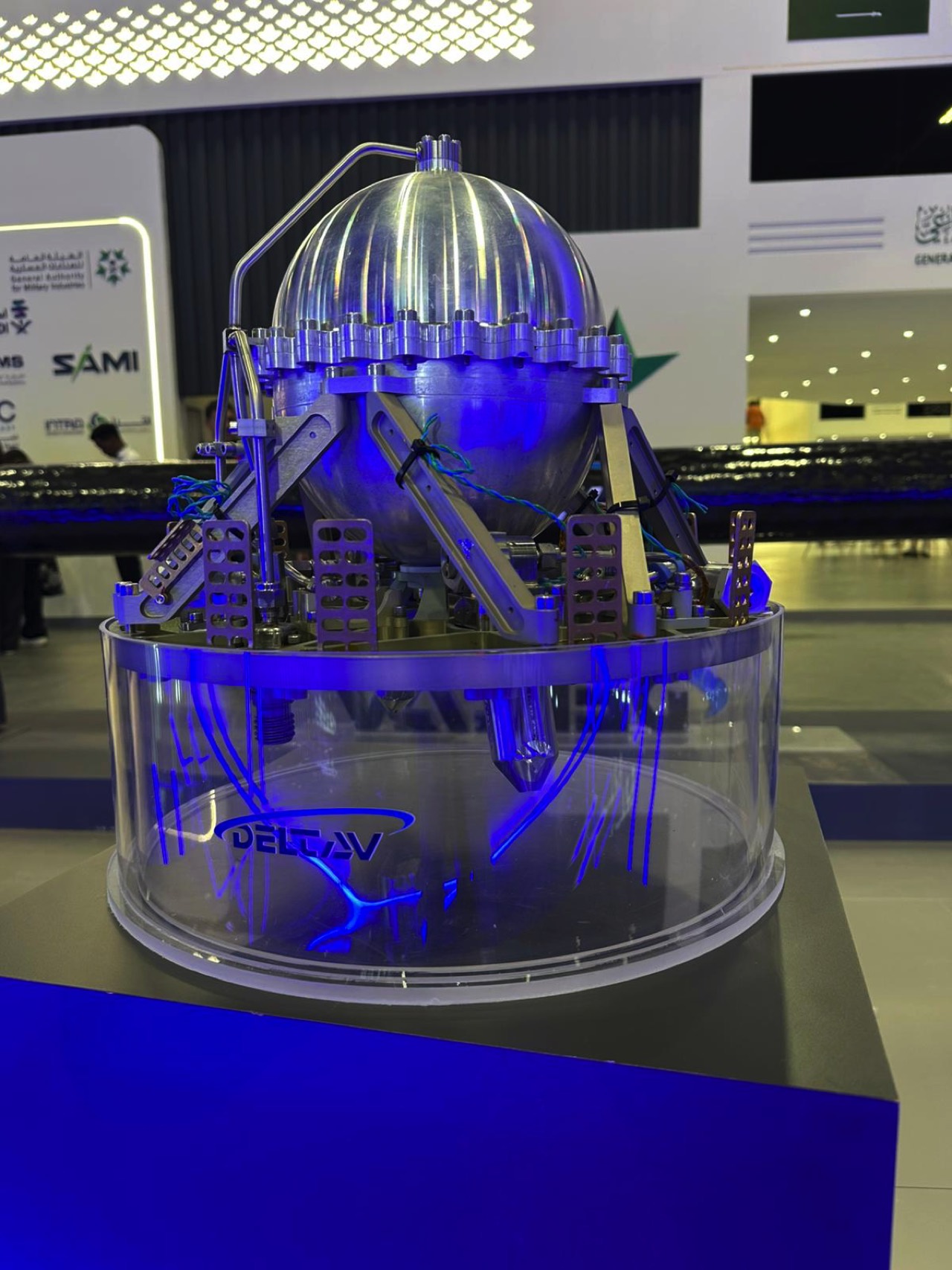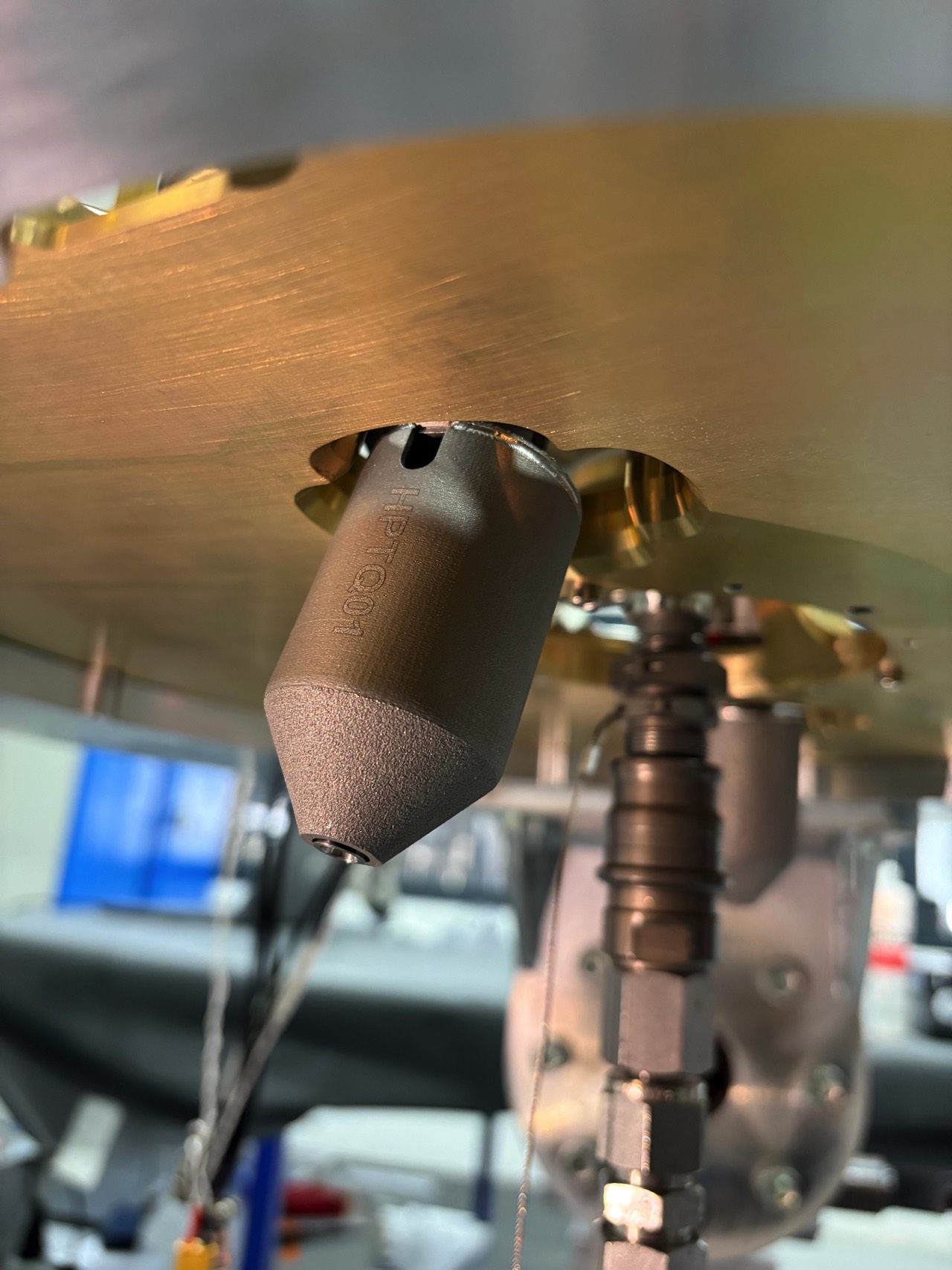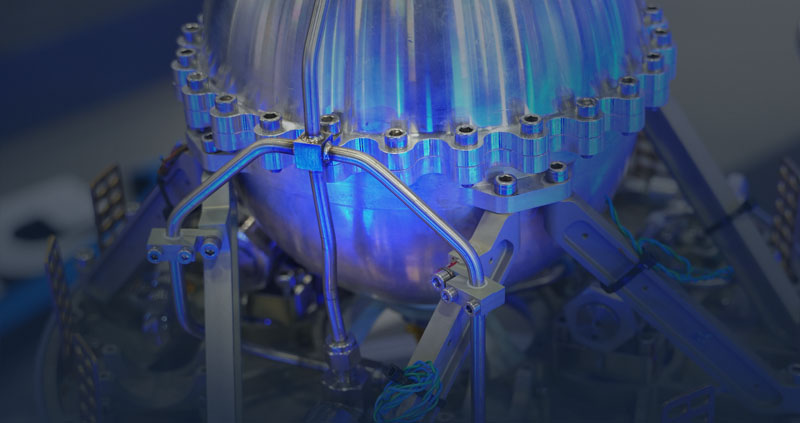
HPPS is an innovative chemical propulsion system developed by DELTAV to meet the increasing maneuverability, positioning, and mission flexibility needs of satellites in Low Earth Orbit (LEO). The system is capable of reliably performing critical maneuvers such as orbit change, collision avoidance, orbit correction, and end of life deorbiting.
At the core of HPPS is high-purity hydrogen peroxide used as a monopropellant. Compared to hydrazine, this technology offers a non toxic and far more environmentally safe propellant option; it significantly simplifies storage, integration, and operational processes while also reducing costs.
Designed and manufactured by DELTAV, HPPS is the first complete monopropellant propulsion module in Europe using hydrogen peroxide that has been fired in orbit for the microsatellite class. It also marks a milestone as the first chemical propulsion system developed in Türkiye to be successfully fired in space. The system now has flight heritage.
Thanks to its modular and compact design, HPPS can be easily integrated into different satellite platforms and offers a scalable solution for both small satellites and larger platforms.
Considering the growing global environmental awareness and the need for sustainable space technologies, this hydrogen peroxide based system stands out as a strong candidate for future green space missions. Developed to suit both commercial and defense satellite projects, HPPS is positioned as an eco-friendly, safe, and high-performance alternative to comparable systems that use toxic propellants.
>Key Features of HPPS
Propellant: Hydrogen Peroxide
Functions: Thrust Generation; Thermal Control; Status Reporting
Capabilities: Multiple Restart Capability; Thrust Termination Capability; Attitude Control; Orbit Maneuvers
| Key Features of HPPS | |
| Key Features of HPPS | Hydrogen Peroxide |
| Functions | Thrust Generation Thermal Control |
| Capabilities | Multiple Restart Cold Start Pulse Mode Control Orbit Maneuvers |